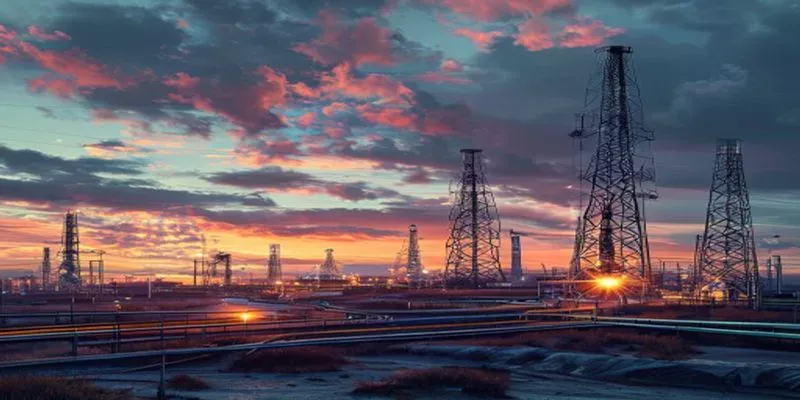
Artificial intelligence has transitioned from a software challenge to a massive physical engineering problem. As compute clusters scale, the bottleneck is no longer just GPU availability; it is the sheer, unyielding demand for reliable, high-density electricity. Chevron, a titan of the traditional energy sector, has officially signaled its intent to solve this problem by entering the power-for-AI business, beginning with a direct infrastructure partnership with Microsoft.
This move represents more than a simple supply contract. It marks a shift in how energy giants perceive the digital economy, treating the data center as a primary customer for bespoke, on-site energy solutions.
The Physical Reality of Digital Intelligence
The infrastructure requirement for modern AI models is staggering. Unlike traditional web services, AI training and inference require sustained, high-power loads that push the limits of existing grid capacity. Data centers are evolving into energy-intensive industrial complexes, and the traditional grid is often ill-equipped to handle the latency and reliability requirements of these AI-driven workloads.
Chevron’s entry into this space is designed to address this reliability gap. By constructing on-site facilities, the company aims to bypass the constraints of regional distribution grids, providing Microsoft with a direct line to electricity. This is a strategic response to the reality that AI performance is now inextricably linked to power availability.
Engineering the Energy-Compute Nexus
The architecture of this partnership focuses on a dedicated, continuous power flow. In an era where downtime translates to millions in lost training progress, the design of these energy systems must prioritize uptime above all else.
graph LR
    A[Chevron Energy Facility] -->|Direct Power Feed| B[Microsoft Data Center]
    B -->|High-Density Compute| C[AI Training Workloads]
    B -->|Energy Monitoring| A
    style A fill:#f9f,stroke:#333,stroke-width:2px
    style B fill:#bbf,stroke:#333,stroke-width:2px
This system architecture emphasizes a closed-loop approach. By integrating energy generation directly with the consumption point, the partners minimize transmission losses and insulate the data center from grid fluctuations. This is a critical engineering requirement for the next generation of AI hardware, which requires stability to function at peak efficiency.
Infrastructure as the New AI Frontier
As organizations push for faster inference and larger model training, the intersection of energy and technology will become the primary battleground for scalability. Infrastructure shifts impact the industry in our analysis of the $12.7 billion AI pilot.
Chevron’s involvement indicates that the energy sector is no longer just a spectator in the AI boom. They are becoming integral participants in the stack. This trend mirrors the increasing complexity of AI systems, where hardware, software, and power must be co-designed to achieve results. For a deeper look at security and stability, explore our report on the Five Eyes Intelligence Alliance warnings regarding AI-powered threats.
Key Takeaways
- Chevron has officially entered the power-for-AI market to support the growing energy needs of digital infrastructure.
- The partnership with Microsoft focuses on delivering on-site, reliable electricity to satisfy high-demand AI workloads.
- This project highlights a structural shift where energy providers build dedicated, direct-to-data-center power solutions.
- Reliability is the core engineering priority to ensure continuous AI model training and inference.
- The intersection of energy and compute is becoming a critical component of the AI technology stack.
FAQ
1. Why is Chevron entering the AI power market?
Chevron is responding to the massive, specialized energy requirements of modern data centers that standard grids struggle to meet consistently.
2. How does the partnership with Microsoft work?
Chevron is building on-site energy facilities to supply electricity directly to Microsoft’s infrastructure, bypassing potential grid bottlenecks.
3. Is this a common trend in the tech industry?
Yes, as AI models scale, tech companies are increasingly seeking dedicated, always-on power sources to ensure operational stability.
4. What are the main benefits of on-site power generation for AI?
It reduces transmission losses, increases energy reliability, and provides the high-density power required for modern GPU clusters.
5. Does this change the energy sector’s role in technology?
It signals that energy companies are becoming essential, integrated partners in the AI hardware and infrastructure ecosystem.
As we look forward, the alignment between energy production and high-performance computing will only intensify. The shift toward on-site, reliable power is a practical necessity for companies aiming to remain competitive in the AI arena. If you are interested in how these structural changes affect the future of the industry, stay tuned for our upcoming coverage of global AI infrastructure shifts.
Interested in how these developments will shape your own infrastructure strategy? Contact our engineering consultancy team to discuss the future of AI-ready energy systems.