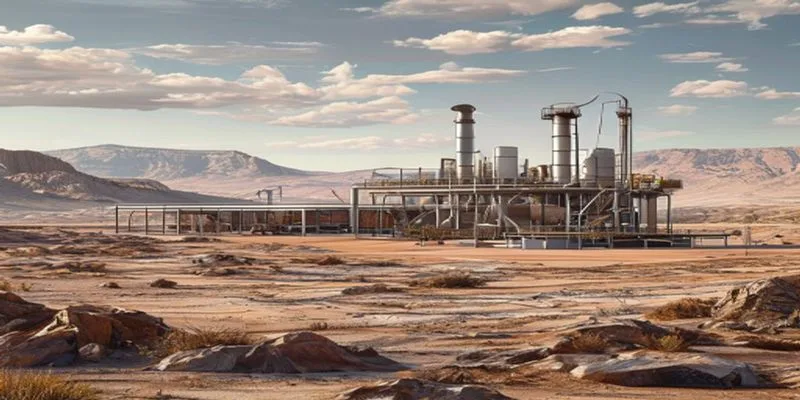
The global transition to a green energy economy hinges on a critical element: lithium. This lightweight metal is the bedrock of electric vehicle (EV) batteries, grid-scale energy storage, and countless portable electronic devices. For years, the primary method of extracting battery-grade lithium from brines – saline solutions found beneath salt flats – has been a protracted and resource-intensive process, often taking years to yield usable material. This traditional approach, reliant on vast evaporation ponds, consumes significant land and often depletes precious water resources. However, a profound shift is underway. Advanced engineered systems are now capable of extracting battery-grade lithium in a matter of hours, a stark contrast to the multi-year timelines of conventional methods. This innovation not only accelerates the supply chain but also promises a dramatic reduction in environmental impact, particularly concerning water usage. This evolution in lithium production is poised to redefine the economics and sustainability of the entire battery materials sector.
The Arduous Path to Lithium: A Legacy of Evaporation Ponds
For decades, the standard procedure for extracting lithium from subterranean brines has involved pumping these solutions into expansive, shallow evaporation ponds. These ponds, often spanning many square kilometers across arid salt flats, rely on solar energy and wind to evaporate the water, gradually concentrating the lithium salts over a period that can extend from 12 to 24 months, or even longer. While seemingly straightforward, this method presents substantial challenges. The sheer scale of land required for these ponds contributes to significant ecological disturbance, altering natural habitats and landscapes. Furthermore, the evaporation process itself leads to a considerable loss of water, a critical concern in already water-stressed regions where many of the world’s richest lithium brines are found.
Beyond the environmental footprint, the protracted timeline of evaporation ponds introduces inherent inefficiencies into the lithium supply chain. The multi-year wait for concentrated brine means that production cannot rapidly respond to fluctuations in demand, creating potential bottlenecks for industries like electric vehicle manufacturing, which are experiencing exponential growth. The quality and purity of the lithium carbonate produced through this method can also vary, often requiring further costly and energy-intensive refinement processes to meet the stringent specifications for high-performance battery applications. The industry has long sought a more agile, less environmentally taxing alternative to these traditional methods.
Engineering a Faster Future: The Mechanics of Direct Lithium Extraction
Direct Lithium Extraction (DLE) represents a paradigm shift in how lithium is harvested from brine sources. Unlike the passive, time-consuming process of evaporation, DLE employs active, engineered systems that selectively extract lithium compounds from the brine almost instantaneously. These systems utilize a range of advanced separation technologies, including adsorption, ion exchange, and solvent extraction, to isolate lithium ions from other dissolved minerals and salts. The core principle involves passing the brine through a series of specialized membranes or sorbents that are designed to bind specifically with lithium, leaving other elements behind.
The most striking advantage of DLE is its speed. Where evaporation ponds measure production cycles in years, DLE systems can achieve the extraction of battery-grade lithium in mere hours. This rapid processing capability transforms the operational dynamics of lithium production, allowing for a much quicker turnaround from raw brine to refined material. The efficiency gains are not just in speed; DLE plants are also significantly more compact than their evaporation pond counterparts, requiring a fraction of the land area. This reduced footprint minimizes environmental disruption and allows for more flexible siting of extraction facilities. The output from DLE is typically a high-purity lithium chloride or lithium hydroxide solution, which can then be directly processed into battery-grade materials with fewer intermediate steps, streamlining the overall production workflow and potentially reducing capital and operational expenditures.
graph TD
    subgraph Traditional Lithium Extraction
        A[Brine Pumping] --> B[Evaporation Ponds (12-24+ Months)]
        B --> C[Lithium Concentration]
        C --> D[Lithium Carbonate Production]
        D --> E[High Water Consumption & Large Land Use]
    end

    subgraph Direct Lithium Extraction (DLE)
        F[Brine Pumping] --> G[Engineered System (Hours)]
        G --> H[Selective Lithium Extraction]
        H --> I[Lithium Chloride/Hydroxide]
        I --> J[Water Returned to Aquifer]
        J --> K[Low Water Consumption & Small Footprint]
    end

    style A fill:#f9f,stroke:#333,stroke-width:2px
    style F fill:#f9f,stroke:#333,stroke-width:2px
    style E fill:#faa,stroke:#333,stroke-width:2px
    style K fill:#afa,stroke:#333,stroke-width:2px
A Sustainable Shift: Water Conservation and Environmental Stewardship
Perhaps the most compelling aspect of DLE, beyond its speed, is its transformative impact on water consumption and environmental sustainability. Traditional evaporation ponds lead to the permanent loss of vast quantities of water to the atmosphere, a particularly problematic issue in arid regions like the Atacama Desert, which hosts significant lithium reserves. DLE technology fundamentally alters this equation. After the lithium has been selectively extracted, the remaining brine, largely depleted of lithium but still containing water, can be reinjected back into the underground aquifers from which it was drawn. This closed-loop system drastically reduces water consumption, often by 90% or more compared to conventional methods. This capability is critical for promoting responsible resource management and ensuring the long-term viability of lithium extraction in ecologically sensitive areas.
The environmental benefits extend beyond water conservation. The smaller physical footprint of DLE plants minimizes land disturbance. Furthermore, by avoiding the creation of large evaporation ponds, DLE reduces the potential for localized environmental impacts such as salinization of surrounding soils or disruption of local ecosystems. The World Economic Forum and Frontiers recognized the profound implications of this technology by including direct lithium extraction in their “Top 10 Emerging Technologies of 2026” report [. This recognition underscores DLE’s potential to significantly lower the environmental burden associated with lithium production, aligning it with global sustainability goals.
Powering Tomorrow: DLE’s Role in the Electric Revolution
The demand for lithium is experiencing unprecedented growth, driven primarily by the global pivot towards electric vehicles and large-scale renewable energy storage solutions. Every EV battery, from compact city cars to long-range trucks, requires substantial amounts of lithium. Similarly, utility-scale battery banks, essential for stabilizing grids powered by intermittent solar and wind energy, depend on a consistent and growing supply of lithium. The International Energy Agency projects a massive increase in lithium demand over the coming decades, creating immense pressure on existing supply chains. Without innovative extraction methods, meeting this escalating demand while simultaneously adhering to environmental standards would be a formidable, if not impossible, challenge.
Direct Lithium Extraction is positioned as a cornerstone technology for addressing this burgeoning demand. Its ability to accelerate production timelines and operate with greater efficiency means that it can significantly ramp up the availability of battery-grade lithium. This increased supply is crucial for enabling the widespread adoption of EVs, making them more affordable and accessible to consumers by stabilizing raw material costs. Furthermore, a robust and sustainable lithium supply chain is fundamental to the expansion of renewable energy infrastructure, ensuring that the transition away from fossil fuels is not hampered by material shortages. The technology offers a pathway to securing critical mineral supplies, reducing geopolitical dependencies, and fostering a more resilient energy future [.
Beyond the Horizon: Economic Impact and Global Implications
The economic ramifications of widespread DLE adoption are considerable. By speeding up extraction and reducing operational complexities, DLE has the potential to lower the overall cost of producing battery-grade lithium. This cost reduction can cascade throughout the entire value chain, ultimately translating into more affordable electric vehicles and energy storage systems for end-users. For manufacturers, a more stable and cost-effective supply of lithium can de-risk investment in EV production and renewable energy projects, fostering greater innovation and accelerating market penetration.
Moreover, DLE technologies could unlock previously uneconomical lithium reserves. Many brine sources exist globally that contain lithium but are not suitable for traditional evaporation methods due to lower concentrations, unfavorable climatic conditions, or environmental sensitivities. DLE’s selectivity and efficiency could make these sources viable, diversifying the global lithium supply and reducing reliance on a few concentrated regions. This geographic diversification could enhance global supply chain security and foster new economic opportunities in regions previously overlooked for lithium production. The World Economic Forum’s endorsement highlights the broader societal and economic benefits, including its potential to lower the cost of devices and mitigate environmental damage [. As the world continues its urgent push towards decarbonization, the strategic importance of efficient and sustainable critical mineral extraction cannot be overstated. DLE stands as a critical enabler in this monumental global endeavor.
Key Takeaways
- Accelerated Production: Direct Lithium Extraction (DLE) can extract battery-grade lithium in hours, a significant improvement over the years required by traditional evaporation ponds.
- Enhanced Sustainability: DLE drastically reduces water consumption by returning water to underground sources, minimizing environmental impact compared to conventional methods.
- Strategic Importance: The technology is vital for meeting the escalating global demand for lithium, driven by electric vehicles and renewable energy storage.
- Economic Benefits: DLE has the potential to lower the cost of battery materials, making EVs and energy storage more affordable.
- Global Recognition: The World Economic Forum and Frontiers have recognized DLE as a top emerging technology for its environmental and economic potential.
FAQ
Q1: What is the primary difference between Direct Lithium Extraction (DLE) and traditional methods?
A1: The primary difference lies in speed and water usage. Traditional methods use large evaporation ponds that take years to concentrate lithium and consume vast amounts of water. DLE uses engineered systems to selectively extract lithium in hours, returning the water to its source, significantly reducing water consumption.
Q2: How does DLE contribute to environmental sustainability?
A2: DLE’s key environmental contributions include drastically reducing water consumption by reinjecting processed brine back into aquifers and minimizing land disturbance due to the compact nature of DLE plants compared to expansive evaporation ponds.
Q3: Why is rapid lithium extraction important for the electric vehicle (EV) industry?
A3: Rapid lithium extraction is crucial for the EV industry because it can accelerate the supply of battery-grade lithium, helping to meet the rapidly increasing demand for EVs, stabilize material costs, and prevent supply chain bottlenecks that could hinder EV adoption.
Q4: What organizations have recognized Direct Lithium Extraction as a significant technology?
A4: The World Economic Forum and Frontiers have included direct lithium extraction in their “Top 10 Emerging Technologies of 2026” report, highlighting its potential to lower device costs and environmental impact.
Q5: Can DLE unlock new lithium reserves?
A5: Yes, DLE’s efficiency and selectivity can make previously uneconomical or environmentally sensitive lithium brine sources viable, leading to a diversification of global lithium supply and potentially new economic opportunities.
The advent of Direct Lithium Extraction marks a pivotal moment for the energy transition. It offers a powerful blend of efficiency, speed, and environmental responsibility, addressing long-standing challenges in the lithium supply chain. As the world accelerates its shift towards electrification and renewable energy, technologies like DLE will be indispensable in providing the foundational materials required for a sustainable future. This is not merely an incremental improvement; it is a fundamental re-engineering of how we access critical resources, with far-reaching implications for global energy security, environmental protection, and economic development. The promise of a greener, more electrified world is now closer to realization, powered by innovations beneath our feet. For a deeper understanding of how AI is optimizing complex industrial processes, consider reading more about Physical AI in logistics, or explore how advanced AI is solving document understanding nightmares in related fields of material science documentation. Furthermore, the broader implications of distributed intelligence, akin to the localized processing in DLE, resonate with discussions around the death of the cloud and edge AI.
Ready to explore the next generation of sustainable resource extraction? Share your thoughts on how DLE will impact the future of energy!